Posted on

The State of Best IPTV Services in 2026: A Complete Overview for UK Viewers

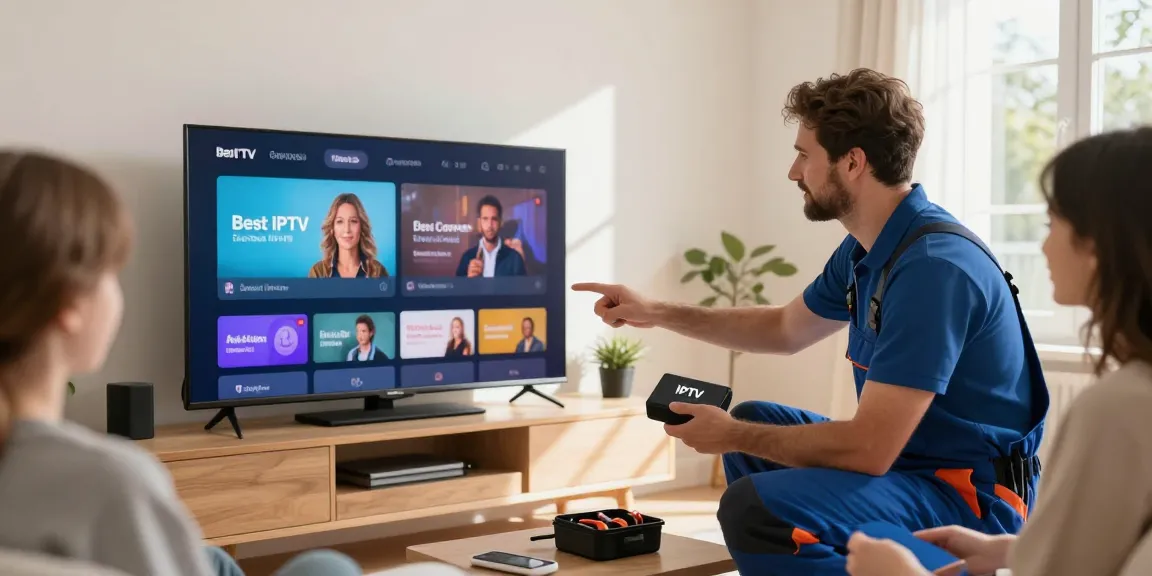
The Best IPTV from a trusted provider setting up for a local family, showcasing professional service.

Understanding Best IPTV Services for 2026

In today’s digital age, the way we consume media has undergone a significant transformation. Traditional cable TV is gradually being replaced by more flexible and cost-effective solutions, such as Internet Protocol Television (IPTV). Understanding the Best IPTV services available in 2026 is crucial for consumers in the UK who wish to stay updated on their entertainment options. When exploring options, Best IPTV provides comprehensive insights into what makes a reliable service provider and how to navigate the vast choices available in the market.

What is IPTV and How It Works

IPTV stands for Internet Protocol Television, a system where television services are delivered using the internet rather than traditional terrestrial, satellite, or cable formats. Unlike cable TV, which broadcasts a fixed set of channels, IPTV allows viewers to access a wide range of channels, including international programming, sports, movies, and series, tailored to their preferences. By using broadband internet to stream content, IPTV can offer a more diverse and flexible entertainment experience, often with features like video on demand (VOD) and catch-up TV capabilities.

Benefits of Choosing IPTV Over Traditional Cable

Choosing IPTV opens up several advantages over traditional cable TV. Firstly, IPTV typically offers a wider selection of channels and content, as subscribers can access thousands of channels around the world, including niche channels not available on cable. Additionally, IPTV often allows for greater flexibility in viewing, giving users the ability to watch live broadcasts, pause and rewind shows, and explore on-demand content. Finally, with the growing cost of cable subscriptions, IPTV usually presents a more affordable alternative, often with competitive pricing options and promotional discounts.

Key Features of Top IPTV Services in 2026

The landscape of IPTV services is continually evolving, and the best providers in 2026 will feature a variety of advanced functionalities. Standard offerings include:

  • Extensive Channel Selection: Access to over 45,000 live channels across genres such as sports, entertainment, news, and international content.
  • 4K Streaming Quality: Many top IPTV services provide genuine 4K streaming, ensuring high-quality viewing experiences for sports and movies.
  • User-Friendly Interfaces: Easy navigation and categorisation of content, enabling fast access to desired channels or shows.
  • Multi-Device Compatibility: Services compatible with various devices, including smart TVs, laptops, smartphones, and streaming devices like Firestick and Android TV.

How to Choose the Right IPTV Provider

Selecting the right IPTV provider is essential for ensuring an uninterrupted entertainment experience. With numerous options available, understanding the qualities that define a reliable provider is key to avoiding subpar choices.

Factors to Consider When Selecting an IPTV Service

When evaluating IPTV services, consider the following important factors:

  • Content Variety: Look for a service that offers a wide range of channels and on-demand content that caters to your viewing preferences.
  • Reliability: Choose providers with established reputations, backed by customer reviews and ratings that highlight their reliability and customer service.
  • Customer Support: Look for services that offer responsive customer support, ensuring that assistance is readily available when needed.

Locating Trusted IPTV Providers in Your Area

To find reliable IPTV providers in your vicinity, start by searching online for subscription services that cater specifically to your region. Read local reviews, ask for recommendations within your community, and check for providers with positive feedback on customer service and content offerings. Social media platforms and local forums can also be invaluable resources in identifying trustworthy options.

Assessing Customer Support and Service Quality

Before committing to a subscription, assess the level of customer support offered by an IPTV provider. Many businesses claim to offer excellent service, but real feedback from existing users can unveil the truth. Opt for providers with readily accessible customer support channels, such as live chat and WhatsApp, and look for reviews that emphasize fast response times. Additionally, ensure that the provider has a clear refund policy in case you are unsatisfied after evaluating their services.

Pricing Guide and Cost Breakdown

The costs associated with IPTV subscriptions can vary widely based on the features and content offered. Understanding the pricing structure is essential for finding a service that meets your needs without stretching your budget.

The Average Costs for IPTV Subscriptions in the UK

In the UK, IPTV subscription costs generally range from £10 to £50 per month, depending on the package chosen. Basic packages may provide a limited number of channels and on-demand content, while premium offerings can include extensive libraries and additional features such as HD and 4K viewing options. It’s advisable to compare various subscription options to determine what suits your viewing habits best.

Understanding Pricing Tiers: Which Package is Right for You?

Most IPTV providers offer tiered pricing structures, which may include:

  • Basic Package: Typically costs £10-£15/month for a limited selection of popular channels.
  • Standard Package: Usually ranges from £15-£30/month and includes a broader range of channels and on-demand titles.
  • Premium Package: Costs £30+ per month, granting access to comprehensive channel lists, including sports and international content, as well as 4K streaming options.

Comparing IPTV Subscription Costs to Other Entertainment Services

When assessing the value of IPTV, it’s helpful to compare it to traditional cable and other streaming services. Unlike conventional cable, which often comes with hidden fees and equipment rental costs, IPTV typically offers more transparency in billing. Additionally, many IPTV services provide free trial periods, allowing you to evaluate the quality of their offerings before making a financial commitment, which can be a significant advantage for consumers.

The Importance of Customer Reviews and Testimonials

Customer reviews are a valuable tool in determining the reliability and quality of IPTV providers. They offer real-world insights into the experiences of other users and can help potential customers make informed decisions.

How to Find and Interpret IPTV Service Reviews

To effectively evaluate IPTV providers, look for reviews on trusted platforms such as Trustpilot and social media channels where customers discuss their experiences. Pay attention to common themes in the feedback provided, such as issues (if any) related to streaming quality, customer support responses, and overall satisfaction with the provided content. Authentic reviews can reveal potential red flags and highlight strengths of a service.

Real Customer Experiences with Best IPTV Providers

Many customers share before-and-after experiences when switching to IPTV services. Positive feedback often includes mentions of improved channel selection, stream stability, and the speed of customer support responses. Conversely, negative experiences may cite issues with billing, poor customer service, or unreliable streaming quality. Being aware of these testimonials can help guide prospective subscribers toward making informed choices.

How Recommendations Shape IPTV Choices

Word-of-mouth recommendations play a significant role in shaping consumer decisions, especially in the IPTV market. Recommendations from friends or family can build trust and provide insight into the potential reliability of a provider. Since many customers switch from conventional cable or other IPTV services, hearing about others’ journeys can also clarify expectations and highlight what to look for when choosing a new provider.

Getting Started with Your IPTV Subscription

Once you have chosen your IPTV provider, getting set up properly is key to enjoying a seamless viewing experience. Most services claim to offer easy installation processes, but knowing what to expect can further reduce potential frustrations.

Setting Up Your IPTV Service in Minutes

The setup for most IPTV services can be completed within minutes. Typically, users will need to download a compatible app or access the service through their smart TV’s interface. After signing in with their account, they can start browsing and watching channels immediately. It’s crucial to follow any provided instructions carefully to avoid common setup mistakes.

Common Challenges and Solutions During Setup

Some common challenges during the installation process include connection errors or difficulty finding specific channels. If you encounter issues, don’t hesitate to reach out to customer support channels. Many IPTV providers offer dedicated customer assistance to help troubleshoot problems related to setup and stream quality. Familiarising yourself with your device’s specific requirements—such as ensuring correct portal or server addresses—can save time and frustration.

How to Optimise Your Internet for the Best IPTV Experience

For optimal performance, a stable and fast internet connection is essential. Many providers recommend a minimum speed of 10 Mbps for HD content and at least 25 Mbps for 4K streaming. To avoid interruptions, consider using a wired connection instead of Wi-Fi, especially during peak usage hours. Regularly testing your internet speed will help you understand if your connection meets the requirements for smooth viewing.

FAQs

What Devices Can I Use for IPTV?

IPTV services are compatible with a variety of devices, including smart TVs, smartphones, tablets, streaming devices like Firestick or Android TV, and even traditional computers. Providers typically have dedicated apps for major platforms that ensure seamless integration.

Is There a Free Trial for IPTV Services?

Many IPTV providers offer a free trial period that can range from a few hours to several days. This allows potential subscribers to experience the service without committing financially. During the trial, users can test the quality of streams and the selection of channels available.

How Do I Know if the Service is Reliable?

Reliability can be gauged by evaluating customer reviews and considering the provider’s history in the industry. Look for a provider with transparency in their service offerings, good customer support, and a stable reputation. Checking third-party review sites can also offer insight into overall service quality and reliability.

Posted on

Your Remote Call Control Starter Kit for Business Communication Success

Remote call control technology enhances team collaboration in a dynamic office meeting.

Understanding Remote Call Control Technology

In today’s fast-paced business environment, effective communication is essential for success. Remote call control technology enhances the ability to manage calls efficiently from any location, making it an invaluable tool for businesses of all sizes. As companies often operate in multiple locations or have remote teams, understanding and implementing remote call control can significantly streamline operations. When exploring options, remote call control can provide comprehensive insights into enhancing your communication strategy.

What is Remote Call Control and How Does It Work?

Remote call control refers to technology that allows users to manage phone calls from a distance, typically through the use of digital communication systems. This technology can enable employees to answer, divert, and manage calls through their computers or mobile devices, often integrated with VoIP (Voice over Internet Protocol) systems. By utilizing specific software, users can engage with their business communications seamlessly, whether they are in the office, at home, or on the go.

When a call comes in, the remote call control system allows the user to see the caller’s information, and with a simple command, they can accept or decline the call. Additionally, this technology often supports features like call forwarding, muting, and transferring calls, thereby enhancing overall productivity.

Benefits of Remote Call Control for Businesses

Implementing remote call control technology provides numerous advantages for businesses. Here are some key benefits:

  • Increased Flexibility: Employees can manage their calls from anywhere, enabling a more flexible work environment.
  • Enhanced Productivity: With features like call forwarding and the ability to handle calls without being tied to a desk, team members can be more productive, focusing on critical tasks.
  • Cost Efficiency: By utilizing VoIP systems in conjunction with remote call control, businesses can significantly reduce telephony costs.
  • Improved Customer Service: Rapid response to calls boosts customer satisfaction, as teams can handle inquiries without delay.
  • Data Security: Remote call control often integrates secure communication channels, ensuring that confidential information remains protected.

The Evolution of Remote Call Control Technology

The journey of remote call control technology has witnessed remarkable advancements over the last few decades. Initially, call handling was primarily through landlines, which limited flexibility and accessibility. However, with the evolution of VoIP technology in the early 2000s, businesses began to adopt digital solutions that allowed for more versatile communication options. The rise of mobile devices further revolutionized the industry, enabling personnel to manage calls while away from traditional office setups.

Today’s solutions incorporate sophisticated analytics and AI-driven functionalities, offering businesses richer features like call analytics, recording capabilities, and customer interaction history. As we move into 2026, we anticipate even more innovations that will enhance remote call control systems, particularly those that integrate with existing business tools.

Implementing Remote Call Control in Your Organization

When considering implementing remote call control in your organization, it’s crucial to choose the right tools and processes. This section will guide you through the essential steps of implementing effective remote call control technology.

Choosing the Right Software and Tools

Selecting the appropriate software for remote call control is vital to ensure it meets your business needs. Various options are available, including well-known platforms that provide integrated communication solutions. Look for software that offers:

  • Compatibility with existing systems (CRM, email, etc.)
  • Scalability to grow with your business
  • User-friendly interface for ease of training
  • Robust security features to protect sensitive data

Take the time to evaluate different vendors and read user reviews to find the solution that aligns with your organizational goals.

Step-by-Step Guide to Set Up Remote Call Control

Setting up remote call control involves several key steps:

  1. Assess Your Needs: Understand your communication requirements and how many users will need access to remote call control features.
  2. Choose a Provider: Select a service provider that offers a reliable and secure remote call control solution.
  3. Integrate Systems: Integrate the remote call control software with existing communication tools and systems in your organization.
  4. Conduct Training: Provide thorough training for your team to ensure they can utilize the system effectively.
  5. Monitor Performance: After implementation, continuously monitor the performance of remote call control to measure efficiency and adapt as needed.

Common Challenges and Solutions in Implementation

While implementing remote call control can offer substantial benefits, organizations may encounter challenges such as user resistance to change, integration issues with existing systems, or data security concerns. Here are common challenges and suggested solutions:

  • User Resistance: Provide comprehensive training and ongoing support to ease the transition to the new system.
  • Integration Issues: Opt for solutions that offer compatibility with existing software packages to reduce headaches during setup.
  • Data Security Concerns: Ensure that the selected solution follows industry best practices for encryption and data protection.

Enhancing Team Productivity with Remote Call Control

One of the primary reasons businesses invest in remote call control technology is to enhance team productivity. By implementing best practices and measuring performance, organizations can maximize the impact of this technology on their operations.

Best Practices for Effective Remote Communication

To fully harness the capabilities of remote call control, adhere to these best practices:

  • Utilize Video Calls: Incorporate video capabilities to foster personal connections among remote teams.
  • Schedule Regular Check-ins: Keep lines of communication open with regular meetings to discuss challenges and successes.
  • Establish Clear Protocols: Set guidelines for how team members should handle calls and communications to maintain professionalism.

Measuring the Impact of Remote Call Control on Performance

To assess the effectiveness of your remote call control implementation, it’s critical to set measurable objectives. Consider tracking:

  • Response time to customer inquiries
  • Call resolution rates
  • Employee satisfaction with the communication system
  • Overall impact on productivity metrics

Regularly review these metrics to identify areas for improvement and celebrate successes within the team.

Real-World Case Studies of Successful Implementation

Many businesses have already experienced the benefits of remote call control. For instance, a medium-sized marketing agency increased its client satisfaction scores by implementing a remote call control system that allowed team members to respond to client queries instantly from any location. This enhancement not only improved customer relationships but also boosted team morale by enabling flexible working conditions.

Another example includes a healthcare provider enhancing its telehealth services. By using remote call control to manage incoming patient calls and inquiries effectively, they managed to reduce appointment scheduling time by 30%, significantly improving service delivery.

Future Trends in Remote Call Control Technology

As we head into 2026, we can expect to see a continuation of trends shaping remote call control technology. These innovations will significantly influence how businesses communicate internally and with clients.

Innovations to Watch in 2026 and Beyond

Future developments in remote call control are poised to include:

  • Integration with AI: AI will play a crucial role in automating routine call handling tasks, allowing human agents to focus on more complex inquiries.
  • Enhanced Analytics: Improved data analytics capabilities will provide businesses with valuable insights into call patterns and customer preferences.
  • Increased Mobility: As remote work becomes more prevalent, businesses will rely more on mobile-friendly remote call control options.

How AI and Automation are Shaping Remote Call Control

Artificial Intelligence and automation are already starting to transform remote call control. Chatbots can assist in initial customer interactions, capturing data before passing calls to human agents. This not only expedites call handling but also ensures a more organized workflow. As these technologies advance, we will see even greater innovations in managing customer interactions and streamlining processes.

Predictions for the Future of Business Communications

Looking ahead, the business landscape will continue to prioritize flexible communication strategies. Companies that adapt to emerging technologies like remote call control, along with AI enhancements, will likely outperform those that stick to traditional methods. Businesses that embrace these innovations will foster improved collaboration, efficiency, and customer satisfaction.

Frequently Asked Questions about Remote Call Control

What equipment do I need for effective remote call control?

To implement remote call control effectively, you need a reliable computer or mobile device, a stable internet connection, and compatible software that supports remote call management features.

Can remote call control help reduce communication costs?

Yes, by utilizing VoIP technology integrated with remote call control, businesses can significantly lower their communication costs, as VoIP calls are generally cheaper than traditional phone services.

Is remote call control compatible with mobile devices?

Most remote call control solutions are designed to be mobile-friendly, allowing users to manage calls from their smartphones or tablets without any issues.

How can I ensure data security while using remote call control?

Data security can be ensured by choosing remote call control software that includes encryption, complies with industry standards, and provides user access controls to protect sensitive information.

What are common misconceptions about remote call control?

One common misconception is that remote call control is only necessary for larger businesses. In reality, even small and medium enterprises can benefit significantly from implementing remote call control to streamline communications and enhance customer service.

Posted on

Short-Let Property Management Edinburgh: Before and After — Proven Results for Hosts in 2026

Short-let property management Edinburgh scene with professional manager reviewing bookings in inviting modern living room.

Understanding Short-Let Property Management in Edinburgh

Edinburgh, the historic capital of Scotland, stands out as a prime location for short-term rentals, particularly through platforms like Airbnb. With over 11,650 active short-let properties and millions of nights booked annually, the city offers a lucrative opportunity for hosts looking to maximise their rental income. However, successfully navigating the complexities of property management requires specialised knowledge and professional support. When exploring options, short-let property management Edinburgh provides comprehensive insights into how to effectively manage rentals while remaining compliant with local regulations.

What is Short-Let Property Management?

Short-let property management refers to the comprehensive service offered to property owners who wish to rent out their homes or apartments for short durations, typically less than 30 days. This management includes various tasks such as listing properties on rental platforms, managing bookings, handling guest communication, coordinating cleaning services, and ensuring compliance with local laws. With the rise of platforms like Airbnb and Vrbo, short-let management has become essential for maximizing rental income while reducing the stress associated with hosting.

The Edinburgh Short-Term Let Market Overview

The Edinburgh short-term let market has witnessed significant growth, particularly driven by festivals such as the Edinburgh Fringe, which attracts millions of visitors each August. This influx means that hosts can earn premium rates, often exceeding £500 per night during peak times. In addition, the average nightly rate for short-lets in Edinburgh is around £324, and properties can achieve up to 75% occupancy throughout the year, especially in tourism hotspots like the Old Town and New Town.

Benefits of Professional Management for Your Property

Engaging a professional property management service offers numerous benefits:

  • Maximised Revenue: With dynamic pricing strategies and effective marketing across numerous platforms, professional managers can significantly boost your rental income.
  • Time-Saving: Hosts are relieved of the day-to-day operations, allowing them to focus on other responsibilities or investment opportunities.
  • Local Expertise: Professional managers have in-depth knowledge of local regulations, market trends, and guest preferences, ensuring your property is always competitive.
  • Comprehensive Support: From guest communication to emergency maintenance, professional management covers all aspects of hosting.

Key Features of Effective Short-Let Management Strategies

Multi-Platform Listing and Visibility Techniques

To maximise visibility and occupancy, it is crucial to list your property on multiple platforms such as Airbnb, Booking.com, and Vrbo. Each platform has its unique audience, and cross-listing helps attract a broader range of potential guests. Effective property management services not only create compelling listings but also optimise them with high-quality images and engaging descriptions, tailored to the platform’s audience.

Dynamic Pricing Models for Maximising Revenue

Dynamic pricing is a strategy that adjusts the rental price in real-time based on various factors including seasonal demand, local events, and competitor pricing. For instance, during the Edinburgh Festival, properties can see a significant hike in nightly rates. A professional short-let management service employs algorithms to set the optimal price, ensuring that hosts earn the maximum possible revenue while remaining competitive.

Guest Communication and Support Best Practices

Effective communication is key to a successful hosting experience. Professional management companies provide 24/7 guest support, ensuring that any inquiries or issues are addressed promptly. This not only enhances the guest experience but also leads to positive reviews, which are crucial for attracting future guests.

Navigating Edinburgh’s Short-Term Let Regulations

Understanding the City-Wide Control Area

Edinburgh has implemented specific regulations regarding short-term rentals, categorising the city into Control Areas where entire-home lets require planning permission. Understanding these regulations is essential for compliance and for avoiding potential fines. Property owners must ensure they have the appropriate licenses and adhere to local rules regarding short-term letting.

Licensing Requirements for Hosts

All short-term let hosts in Edinburgh must obtain a Short-Term Let (STL) license, which includes submitting an application and meeting certain safety and health standards. The licensing process can be complex, and a professional management service can help navigate these requirements, ensuring that your property is compliant and ready for guests.

Compliance Best Practices for Airbnb Hosts

Compliance involves more than just obtaining a license; it also includes maintaining safety standards, such as regular gas and electrical checks. Professional property managers ensure that all safety measures are in place, providing peace of mind to both hosts and guests.

Real-World Success Stories

Case Study: Revenue Uplift During Fringe Festival

Last year, a property owner in the Old Town saw a 70% revenue increase during the Edinburgh Fringe Festival compared to its usual monthly earnings. By employing dynamic pricing and strategic marketing, the property was optimally positioned to attract festival-goers, highlighting the significance of professional management during peak seasons.

How Strategic Management Enhanced Seasonal Bookings

Another case involved a two-bedroom flat in Leith, which experienced a 25% boost in bookings year-round after switching to a professional property management team. By utilising targeted promotions and listing adjustments based on seasonal demand, the host achieved a consistent 85% occupancy rate.

Host Testimonials: Experiences with Professional Management

Many hosts report transformative experiences after partnering with management companies. One such host praised the responsive and professional service received, noting that their property maintenance and guest communication were handled smoothly, resulting in improved guest satisfaction and higher ratings.

The Future of Short-Let Property Management in Edinburgh

Emerging Trends for 2026 and Beyond

As the travel landscape evolves, so does the need for adaptative management strategies. The rise of sustainable tourism, for instance, is prompting hosts to consider eco-friendly practices. Properties that prioritise sustainability not only meet guest expectations but may also benefit from niche marketing opportunities.

Technological Innovations in Property Management

The integration of smart technology in short-let properties, including smart locks and automated guest communication systems, is becoming increasingly popular. These innovations streamline operations, enhance security, and improve the guest experience.

Preparing for Market Changes and Guest Expectations

As consumer preferences shift towards more personalised experiences, short-let managers will need to adapt their strategies to meet these expectations. This includes offering unique local experiences and tailored recommendations for guests, positioning properties as more than just a place to stay.

What Are the Most Common Short-Let Hosting Questions?

As a potential host, you may have several queries regarding the short-let landscape:

  • How can I increase my rental income? Consider using dynamic pricing and enhancing your property’s listing with high-quality photos and engaging descriptions.
  • What regulations should I be aware of? Familiarise yourself with the local licensing requirements and safety regulations to avoid penalties.
  • How does dynamic pricing work? Dynamic pricing adjusts rental rates based on demand, competition, and seasonal trends to optimise revenue.
  • What services are included in professional management? Services generally encompass listing creation, dynamic pricing, guest communications, cleaning coordination, and compliance management.
Posted on

Is Upgrading to Smart IPTV Worth It? Data Says Yes in 2026

smart IPTV setup by a trusted local provider in a community home

Overview of Smart IPTV Services

In an age where digital solutions dominate, Smart IPTV is transforming the way viewers enjoy their favourite shows and sports. This innovative technology allows users to access an extensive range of live TV channels and on-demand content via the internet, eliminating the constraints of traditional cable or satellite services. For local consumers keen on exploring affordable and flexible viewing options, the smart IPTV platform offers an exciting opportunity to dip into a variety of genres, catering not only to entertainment but also to sports enthusiasts and families alike. The rise of Smart IPTV reflects consumers’ desire for quality, versatility, and value in their viewing experiences.

What is Smart IPTV?

Smart IPTV is an advanced method of delivering television content through high-speed internet connections rather than conventional cable or satellite. Utilizing an application on devices such as Smart TVs, Android boxes, and smartphones, Smart IPTV empowers users to watch a plethora of channels including live sports, news, movies, and TV shows without the hassle of long-term contracts. Unlike traditional television, this system enables consumers to tailor their viewing experience through on-demand content and various subscription models.

Benefits of Choosing Smart IPTV for Your Home

For homeowners and families, Smart IPTV presents numerous advantages. Firstly, it offers substantial cost savings compared to traditional TV packages. Families can access thousands of channels and an extensive library of on-demand content without incurring hefty installation fees or recurring charges associated with cable subscriptions. Furthermore, Smart IPTV is flexible; it allows users to watch their favourite programmes on various devices, providing a seamless viewing experience whether at home or on the go.

  • Cost-Effectiveness: Save money with affordable subscription plans.
  • Variety: Access over 45,000 live channels worldwide.
  • Portability: Watch your favourite shows on multiple devices, from smartphones to smart TVs.
  • No Contracts: Freedom to choose subscriptions that suit your needs without long-term commitments.

How Smart IPTV Stands Out in 2026

In 2026, the landscape of television consumption has changed dramatically, with Smart IPTV leading the way through its user-centric features and reliability. With advanced streaming technology, providers are now offering services that minimise buffering and enhance overall user experience. This technology includes adaptive bitrate streaming, which adjusts video quality based on internet connection quality, ensuring consistent viewing regardless of peak usage times.

Understanding the Pricing of Smart IPTV Reseller Packages

When considering a Smart IPTV service, understanding the pricing structure is essential for both resellers and end-users. Generally, Smart IPTV packages are designed to provide value while maintaining flexibility, allowing resellers to adjust to various market demands. Prices often fluctuate based on the number of credits purchased, with bulk purchases reducing the cost per subscription significantly. For example, crucial pricing considerations include:

Breakdown of Key Costs and Profit Margins

The cost structure for Smart IPTV credits typically operates on a tiered system. Here’s a simplified breakdown:

  • Up to 120 Credits: £2 each
  • 121 to 240 Credits: £1.60 each
  • Above 240 Credits: £1.50 each

For instance, with 100 credits purchased at £1.50 each, resellers could charge customers £60 for a 12-month package, resulting in a profit margin between £42 and £46 per subscription annually. These margins present an attractive opportunity for potential resellers aiming to tap into the burgeoning IPTV market.

Comparing Pricing to Traditional TV Options

Compared to traditional cable and satellite options, which often carry installation fees and mandatory contracts, Smart IPTV represents a disruptive shift towards more affordable and approachable entertainment solutions. For example, a traditional TV package may cost anywhere from £40 to £100 per month, while Smart IPTV allows for tailored pricing based on actual usage and preferences.

How to Gain Maximum Value from Your Smart IPTV Subscription

To ensure you’re getting the most from your Smart IPTV subscription, consider these actionable tips:

  • Regularly review and adjust your channel offerings based on customer preferences.
  • Utilise marketing strategies that highlight the value of on-demand content.
  • Remain informed on the latest channels and VOD offerings to maximise the appeal of your subscriptions.

Choosing the Right Smart IPTV Provider

With multiple IPTV service providers available, it’s crucial to choose a reputable company that embodies reliability and transparency. Look for resellers who have established a solid reputation through consistent service and customer support.

Decoding Essential Qualities of Professional IPTV Resellers

A professional IPTV reseller should exhibit critical traits such as:

  • Established track record of uptime and service reliability.
  • A responsive support team available during essential viewing hours.
  • Clear and flexible pricing structure without hidden fees.

Local Provider vs. Online Providers: What to Consider?

When choosing between local and online providers, consider the advantages of UK-based service teams who understand local preferences, viewing habits, and are readily available for support. Local providers often provide quicker resolution times and personalised services that can significantly enhance the overall experience.

Importance of UK-based Support Services

Having a support team that operates within the UK ensures that assistance is available during peak viewing hours and aligned with customer needs. Efficient support services can be a significant differentiator for resellers, improving customer retention and satisfaction in a competitive market.

Customer Experiences and Reviews

Understanding customer experiences can greatly influence your decision when selecting a provider. Professional services often gather feedback through direct channels to ensure authenticity and current relevance.

Authentic Testimonials from Smart IPTV Users

Feedback gathered from various platforms is critical in identifying quality service. For example, resellers have reported positive experiences regarding minimal downtime and efficient support responses, which foster trust and solidify their business reputation.

How to Recognise Quality Service from Feedback

When reviewing customer testimonials, look for:

  • Detailed accounts of both positive and negative experiences.
  • Consistent praise regarding support and service reliability.
  • Engagement from the provider in addressing customer concerns.

Case Studies of Successful IPTV Resellers in the UK

Real-world success stories from resellers can offer practical insights into the potential of Smart IPTV. It is common for resellers to share how they quickly recuperated their initial investments and began making a profit shortly after launching their services.

Smart IPTV Installation and Support

For many potential users, the process of getting started with Smart IPTV may seem daunting. However, with the right guidance, it can be a quick and hassle-free transition.

Simple Steps to Get Started with Smart IPTV

Here are essential steps for resellers to follow:

  1. Sign up for an IPTV reseller panel through a reliable provider.
  2. Purchase credits based on anticipated demand.
  3. Create user subscriptions easily through the reseller platform.
  4. Provide customers with a simple setup guide to ensure they can start watching immediately.

24/7 Support: What to Expect?

Reliable customer support can significantly affect overall satisfaction, especially when consumers encounter issues. Look for providers who offer comprehensive support offerings, including live chat, email, and phone support, preferably available 24/7. Quick response times are key; many customers expect resolutions within 30 minutes of reporting an issue.

Frequently Asked Questions About Installation and Configuration

Addressing common installation concerns can help new users feel more confident. Some frequently asked questions include:

  • How do I install the Smart IPTV app on my device?
  • What should I do if I experience buffering issues?
  • Is there a trial period available for new users?

These common inquiries highlight the importance of providing clear and accessible installation guides along with ongoing support.

Posted on

Expert House Clearance London Services for a Clutter-Free Home in 2026

House clearance London service team efficiently removing furniture and waste from a tidy garden.

Understanding House Clearance London

House clearance, a vital service for homeowners, landlords, and businesses alike, involves the systematic removal of unwanted items from residential or commercial properties. In bustling cities like London, where space is often at a premium, efficient house clearance solutions are essential for maintaining orderly living and working environments. Whether you’re preparing for a move, undergoing renovations, or simply decluttering, professional house clearance services can alleviate the stress associated with such tasks. When exploring options, house clearance london providers can offer comprehensive insights and tailored solutions to meet your specific needs.

What is House Clearance?

House clearance encompasses a range of services designed to remove unwanted items from properties. This can include everything from furniture, appliances, and general waste to personal belongings and garden debris. The process is typically undertaken by licensed professionals who specialize in the efficient and responsible disposal of these items. Unlike standard rubbish removal, house clearance often involves sorting through belongings to identify items that can be recycled, reused, or donated, ensuring minimal waste is sent to landfills.

Types of House Clearance Services Available

Various types of house clearance services cater to different needs, including:

  • Full House Clearance: Suitable for homeowners looking to empty an entire property, often after a significant life event or during a move.
  • Partial House Clearance: Ideal for those needing to declutter specific rooms or areas without removing everything.
  • Garden Waste Clearance: Focused on removing garden debris, including branches, soil, and old garden furniture.
  • Office Clearance: Helping businesses clear old equipment, furniture, and other office-related waste.
  • Specialist Clearances: Tailored services for unique situations, such as hoarders or deceased estate clearances.

The Importance of Professional House Clearance

Engaging professional services for house clearance not only ensures that the task is handled efficiently but also offers peace of mind. Professionals are equipped with the tools, knowledge, and experience to manage heavy lifting, proper disposal, and recycling efficiently. Additionally, this removes the physical and emotional burden from homeowners, allowing them to focus on other priorities during what can be a stressful time.

Key Benefits of Professional House Clearance

Eco-Friendly Disposal Practices

In an age where environmental concerns are paramount, professional house clearance services prioritize eco-friendly disposal methods. Many firms emphasize recycling and donating usable items to local charities, significantly reducing the amount of waste sent to landfills. This commitment not only benefits the environment but also supports local communities by providing goods to those in need.

Time and Stress Savings for Homeowners

Managing a house clearance can be a time-consuming and physically demanding process. Professional services allow homeowners to save time and reduce stress by handling all logistical aspects, including sorting, lifting, and transport. With trained teams ready to tackle the job, clients can enjoy a clutter-free space without the common hassles associated with DIY clearances.

Helping Local Communities through Donations

Many house clearance companies go the extra mile by donating usable items to local charities. This approach not only aids those in need but can also result in cost savings for clients, as the value of donated items may offset some of the clearance costs. Supporting local charities fosters community spirit and helps reduce waste.

The House Clearance Process Explained

Initial Consultation and Quotation

The house clearance process typically begins with an initial consultation. During this phase, clients can discuss their needs and expectations with the clearance team, who will conduct a thorough assessment of the property. A detailed quotation is then provided, outlining the expected costs, timelines, and any specific requirements for the clearance.

Preparation and Planning for Efficient Clearance

Once the client agrees to the quotation, the next step involves meticulous planning. This ensures that the clearance process runs smoothly. The team will prepare by organizing the logistics, including vehicle arrangements and scheduling the clearance at a time that suits the client’s availability.

Post-Clearance Disposal and Recycling

After the clearance, the focus shifts to responsible disposal and recycling. Professional teams handle the separation of recyclable materials from non-recyclable waste, ensuring that as much as possible is diverted from landfills. This process may include transporting items to recycling facilities, donation centers, or waste management sites, depending on local regulations and the nature of the items cleared.

Pricing Policies for House Clearance in London

Factors Affecting House Clearance Costs

Several factors influence the pricing of house clearance services, including:

  • Volume of Waste: The amount of items to be cleared plays a significant role in determining costs.
  • Type of Items: Specific items may require special handling or disposal processes, affecting pricing.
  • Location: Accessibility and distance from waste disposal centers can also impact costs.
  • Time of Service: Services required during peak times may incur additional charges.

Understanding Pricing Structures

House clearance companies typically offer different pricing structures based on the service type and the volume of waste. It’s common to see charges based on load size (cubic yards) or in hourly rates. Some companies also provide fixed-rate options for specific projects, allowing clients to budget accordingly.

Comparing House Clearance Quotes

When seeking clearance services, it’s crucial to compare quotes from multiple providers. Look for transparency in pricing, including any hidden fees or additional charges. Reading customer reviews and testimonials can also provide insights into the reliability and quality of service offered by different companies.

Why Choose North London House Clearance?

Experienced and Licensed Professionals

North London House Clearance prides itself on a team of experienced, licensed professionals dedicated to providing high-quality service. With in-depth knowledge of waste disposal regulations and best practices, clients can trust that their clearance needs are in capable hands. This expertise ensures that all processes are executed efficiently and legally.

Commitment to Sustainability and Community Support

Our commitment to sustainability is central to our operations. By prioritizing recycling and charitable donations, we not only help clients declutter their spaces but also contribute positively to the environment and the community. Choosing our services means opting for a greener and more socially responsible way of managing waste.

Customer Testimonials and Success Stories

Many of our clients have shared positive experiences showcasing our efficiency, professionalism, and commitment to customer satisfaction. Testimonials often highlight how our services have helped them achieve a clutter-free home while feeling supported throughout the process. These stories underline the value we place on every client and their unique requirements.

What items can be included in a house clearance?

House clearance services can typically handle a wide array of items, including:

  • Furniture (e.g., sofas, beds, tables)
  • Electronics (e.g., appliances, televisions)
  • General household refuse (e.g., rubbish, old clothes)
  • Garden waste (e.g., branches, soil)
  • Office equipment (e.g., desks, chairs)

Is house clearance free if items are donated?

In some cases, house clearance can be free or at a reduced cost if the value of the items being removed exceeds the clearance fee. This often occurs when valuable items are donated to charities, allowing the clearance provider to offset their costs. It is advisable to discuss this option during the initial consultation.

How quickly can I schedule a house clearance?

Most house clearance companies, including North London House Clearance, can accommodate short notice requests, often scheduling clearances within a day or two. However, availability may depend on the time of year and current demand for services, so it’s best to book as early as possible.

Are your services available outside regular business hours?

Yes! We understand that our clients may have busy schedules, which is why we offer flexible service times, including evenings and weekends. This ensures that our clients can receive the help they need at a time that suits them.

What should I expect during the house clearance process?

During the house clearance, you can expect a professional and efficient process. Our team will arrive on time, equipped with the necessary tools for the job. They will assess the area, discuss any special instructions you may have, and begin the clearance. After the job is completed, the team will ensure that the space is left tidy and free of debris.

Posted on

Elevating Customer Experience in Business Services Today

Understanding Business and Consumer Services

In today’s fast-paced economy, the distinction between business and consumer services has become increasingly blurred. As businesses strive to meet the growing demands of consumers, understanding the framework of these services is essential. This section will define the scope of business and consumer services, explore the various types of services available, and highlight their importance in the marketplace.

Definition and Scope of Business and Consumer Services

Business and consumer services encompass a wide range of offerings that cater to the needs of businesses and individual consumers. Business services are typically aimed at enhancing the operations of other businesses, while consumer services focus on fulfilling the personal needs of individuals.

According to the U.S. Bureau of Economic Analysis, the services sector accounted for more than 80% of the GDP in 2021, highlighting its significance in the overall economy. This sector includes professional services, health care, hospitality, and retail among others. Understanding the differences and interconnections between these two types of services can help organizations tailor their strategies effectively.

Types of Business Services

Business services can be categorized into several types, each serving unique functions:

  • Professional Services: This includes legal, accounting, consulting, and IT services that help businesses operate efficiently.
  • Financial Services: Encompassing banking, investment, and insurance services that manage a company’s financial assets.
  • Logistics and Supply Chain Services: Services that facilitate the movement of goods from suppliers to customers, including warehousing and shipping.
  • Marketing Services: These services assist companies in promoting their products and services, including advertising, market research, and public relations.
  • Human Resource Services: These services help manage a workforce, including recruitment, training, and payroll management.

Types of Consumer Services

Consumer services are designed to meet the needs of individual customers. They can be classified into the following categories:

  • Personal Services: Services such as hairdressing, beauty treatments, and fitness training that focus on the individual.
  • Hospitality Services: This includes restaurants, hotels, and travel agencies that provide leisure and comfort.
  • Health Services: Medical, dental, and wellness services aimed at maintaining and improving health.
  • Educational Services: Institutions and online platforms that provide learning opportunities for individuals.
  • Retail Services: Businesses that sell goods directly to consumers, including e-commerce platforms and brick-and-mortar stores.

Key Principles of Customer Experience in Services

Customer experience is a critical component of service delivery in both business and consumer sectors. A positive customer experience can lead to increased loyalty, repeat business, and a solid reputation in the market. This section delves into the importance of customer satisfaction and explores strategies to enhance the overall experience.

The Importance of Customer Satisfaction

Customer satisfaction is not just a metric; it’s a fundamental aspect of any service-oriented business. According to a report by the American Customer Satisfaction Index, businesses that prioritize customer satisfaction can see a 25% increase in profitability. Satisfied customers are more likely to return, recommend the service to others, and provide positive reviews.

Moreover, maintaining high customer satisfaction can mitigate the effects of negative experiences. For instance, a study by Zendesk found that 67% of consumers have hung up the phone out of frustration when dealing with customer service. Understanding and addressing customer pain points can significantly enhance their overall experience.

Strategies for Enhancing Customer Experience

To improve customer experience, businesses should implement a variety of strategic approaches:

  • Personalization: Utilize customer data to personalize interactions. For example, Netflix uses viewing history to recommend shows tailored to individual preferences.
  • Proactive Communication: Keeping customers informed about updates and changes can build trust and reduce uncertainty.
  • Training Staff: Employees should be trained not only in their specific roles but also in interpersonal skills to enable them to connect with customers effectively.
  • Utilizing Technology: Implement CRM systems to streamline customer interactions and gather feedback efficiently.
  • Creating a Feedback Loop: Regularly solicit and analyze customer feedback to identify areas for improvement.

Measuring Customer Experience Effectively

Measurement is essential to understanding customer experience. Businesses should adopt various metrics to gauge satisfaction levels:

  • Net Promoter Score (NPS): This metric helps determine customer loyalty by asking how likely customers are to recommend the service to others.
  • Customer Satisfaction Score (CSAT): A straightforward measure that asks customers to rate their satisfaction with a specific interaction.
  • Customer Effort Score (CES): This measures how easy it is for customers to interact with the service, highlighting areas that may cause frustration.
  • Social Media Monitoring: Tracking mentions and reviews on social platforms can provide insights into customer sentiment and satisfaction.

Developing a Service-Oriented Business Model

Creating a service-oriented business model requires a deep understanding of the market and the needs of customers. This section will discuss how to identify target market needs, create unique value propositions, and design effective service delivery processes.

Identifying Target Market Needs

Understanding the needs of your target market is paramount for developing relevant services. Conduct market research through surveys, focus groups, and social media analysis to gather insights. For instance, Airbnb revolutionized the hospitality industry by identifying the need for affordable and unique travel experiences. By focusing on the desires of both travelers and hosts, they created a platform that serves millions globally.

Additionally, segmentation can help tailor services to specific groups. For example, a fitness center may offer different packages for families, seniors, and professionals, ensuring that each demographic feels catered to.

Creating Unique Value Propositions for Services

A unique value proposition (UVP) is a statement that clearly outlines why a customer should choose your service over competitors. It should reflect the benefits and features that set your service apart. For instance, Southwest Airlines emphasizes low fares and no hidden fees, which resonates strongly with budget-conscious travelers.

To develop a compelling UVP, consider the following steps:

  1. Identify Benefits: List the primary benefits your service offers, such as convenience, quality, or innovation.
  2. Analyze Competitors: Understand what competitors offer and identify gaps or weaknesses in their services.
  3. Craft Your Message: Use clear and concise language to communicate your UVP to potential customers.

Designing Service Delivery Processes

Efficient service delivery processes are vital for customer satisfaction. Design these processes with the customer journey in mind, ensuring they are seamless and user-friendly. For example, Zappos, known for its exceptional customer service, has designed its order fulfillment processes to ensure quick delivery while maintaining a high level of customer engagement.

Key aspects to consider when designing service delivery processes include:

  • Streamlining Operations: Identify and eliminate bottlenecks to enhance efficiency.
  • Employee Empowerment: Equip staff with the authority to resolve customer issues quickly.
  • Technology Integration: Utilize technology to automate processes where possible, reducing wait times and enhancing the customer experience.

Marketing Strategies for Service-Based Businesses

Effective marketing is crucial for service-based businesses to thrive in a competitive landscape. This section will explore how to leverage digital marketing, build a brand identity, and utilize customer feedback to enhance marketing efforts.

Leveraging Digital Marketing for Service Promotion

Digital marketing provides a platform for service-based businesses to reach a broader audience. Techniques include:

  • Search Engine Optimization (SEO): Optimize your website to rank higher in search engine results, making it easier for potential customers to find your services.
  • Content Marketing: Create valuable content that addresses customer needs and showcases expertise, such as blogs, tutorials, and webinars.
  • Social Media Marketing: Engage with customers on platforms where they spend their time, sharing updates, promotions, and success stories.
  • Email Marketing: Use targeted email campaigns to reach both new and existing customers with personalized offers and updates.

Building a Brand Identity for Service Offerings

A strong brand identity helps differentiate your services in the marketplace. Key elements include:

  • Consistent Messaging: Ensure that all communications reflect your brand values and mission.
  • Visual Identity: Develop a recognizable logo and color scheme that resonates with your target audience.
  • Customer Engagement: Create community forums or social media groups where customers can interact and share experiences related to your services.

Consider the case of Apple, which has built a powerful brand identity through innovation, quality, and exceptional customer service, making it a leader in consumer electronics.

Utilizing Customer Feedback for Marketing Improvement

Feedback is a valuable tool for refining marketing strategies. Encourage customers to share their experiences through surveys, reviews, and social media interactions. Analyze this feedback to identify trends and areas for improvement.

For instance, Starbucks uses customer feedback to tailor its menu offerings and improve the overall customer experience. By staying attuned to customer preferences, they can adapt their marketing strategies effectively.

Advanced Trends in Business and Consumer Services

The service industry is continuously evolving, driven by technological advancements and changing consumer behaviors. This section will examine the impact of technology, the integration of sustainability, and strategies for future-proofing service businesses.

The Impact of Technology on Service Delivery

Technology has transformed service delivery in numerous ways. Automation, artificial intelligence, and data analytics have enabled businesses to improve efficiency and enhance customer experiences. For example, chatbots are now commonly used in customer service to provide immediate assistance, reducing wait times and improving customer satisfaction.

Moreover, businesses can leverage data analytics to gain insights into customer behavior, preferences, and trends, allowing for more personalized service offerings. According to a report by McKinsey, companies that utilize data-driven decision-making are 23 times more likely to acquire customers and 6 times more likely to retain them.

Integrating Sustainability into Service Offerings

As consumers become more environmentally conscious, integrating sustainability into service offerings has become essential. Businesses can adopt practices such as:

  • Eco-Friendly Operations: Implementing green practices in service delivery, such as reducing waste and using sustainable materials.
  • Social Responsibility: Engaging in community service and supporting local initiatives to enhance brand reputation.
  • Transparent Communication: Clearly communicating sustainability efforts to customers can build trust and loyalty.

For example, the hotel industry has seen a rise in eco-friendly hotels that promote sustainable practices, appealing to environmentally conscious travelers.

Future-Proofing Your Service Business Against Market Changes

To remain competitive, service-based businesses must be adaptable to changes in the market. Here are strategies to future-proof your service business:

  • Continuous Learning: Encourage a culture of learning and innovation within your organization to stay ahead of industry trends.
  • Diversifying Offerings: Explore new service lines or markets to mitigate risks associated with market fluctuations.
  • Building Resilience: Develop contingency plans to address potential disruptions, such as economic downturns or changes in consumer behavior.

Case studies from companies like Amazon illustrate the importance of adaptability, as they continuously evolve their service offerings and operational strategies to meet changing consumer demands.